

Types Of Massage

Theraputic Relaxation Massage
Therapeutic relaxation massage is a gentle, calming form of bodywork designed to ease tension, reduce stress, and promote an overall sense of well-being. Using slow, flowing strokes and light to moderate pressure, it helps soothe the nervous system, improve circulation, and release tight muscles without deep or intense techniques. This type of massage is ideal for anyone seeking emotional reset, physical relaxation, and a peaceful break from daily stress.
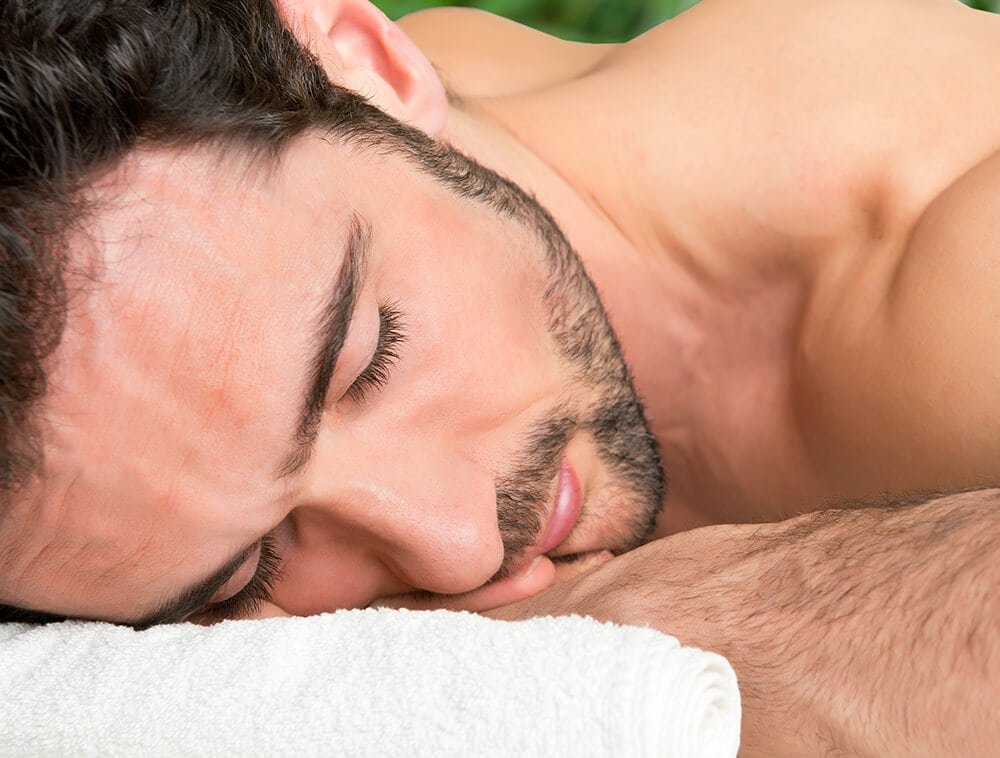
Swedish Massage
Swedish Massage is a very relaxing and therapeutic style of bodywork. It combines oils or lotion with an array of strokes such as rolling, kneading, and percussion to help the body improve its circulation. The benefits of Swedish Massage bodywork are wide-ranging and include relief from aches and pains, decreased stress levels in the body, enhanced mental clarity, improved appearance, and greater flexibility.
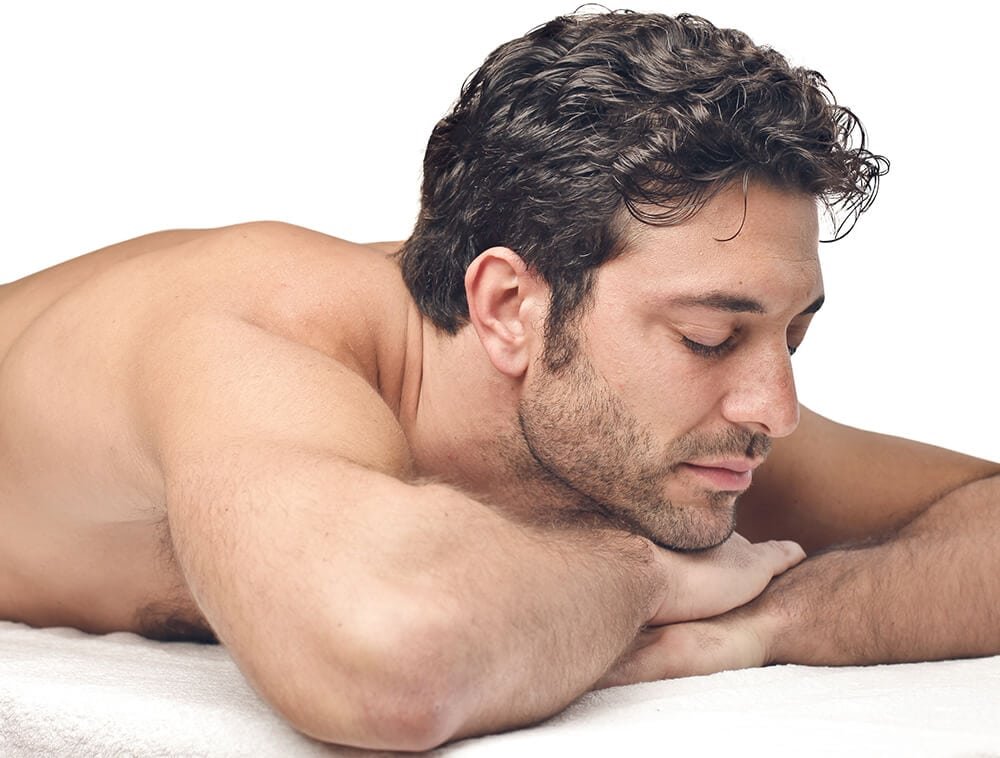
Neuromuscular Therapy
Neuromuscular Therapy (NMT) is a specialized, targeted form of massage that focuses on relieving chronic pain and dysfunction caused by muscle imbalances, trigger points, and nerve compression. Using precise pressure and technique, NMT works to identify and treat the underlying source of discomfort—often addressing postural issues, repetitive strain, or old injuries. This therapy helps restore proper movement patterns, reduce pain, and improve overall muscular and nervous system function.

Pain Management
Pain management massage is a focused therapeutic approach designed to reduce discomfort, improve mobility, and support the body’s natural healing process. By combining techniques such as targeted pressure, gentle stretching, and muscle-release work, this massage addresses areas of chronic tension, inflammation, or injury. It helps calm the nervous system, increase circulation, and ease strain on overworked muscles—making it ideal for those dealing with recurring pain, physical limitations, or stress-related tightness.
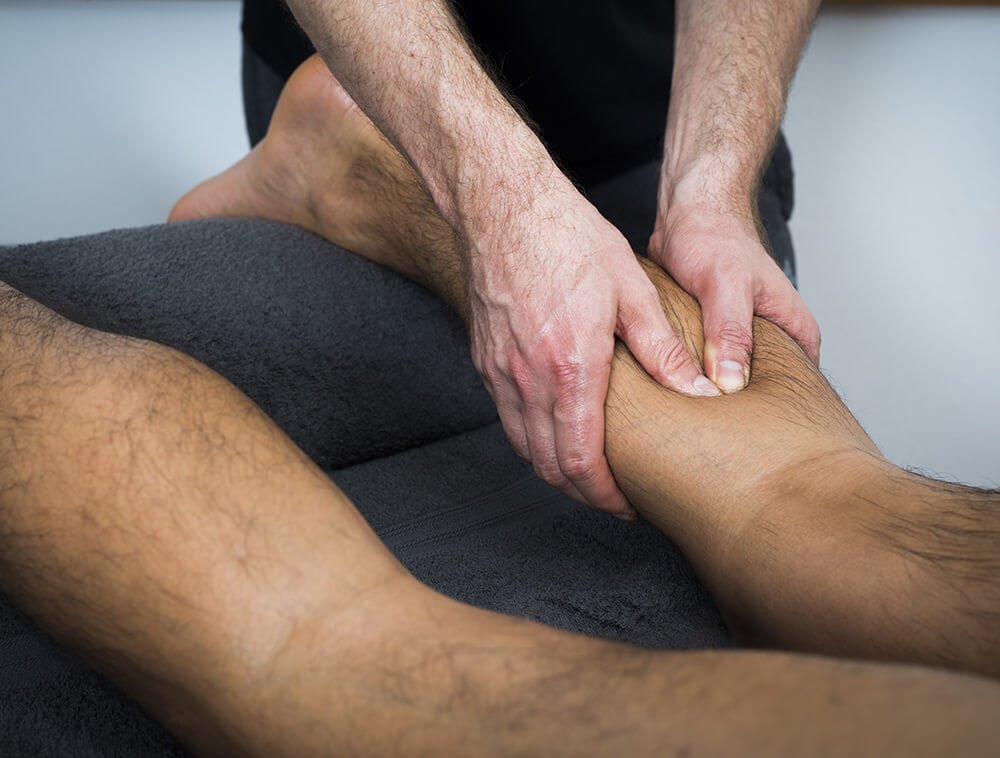
Passive Stretching Flow
Passive Stretching Flow is a guided, assisted stretching technique in which the therapist gently moves your body through a series of controlled stretches without requiring any effort on your part. This approach helps lengthen tight muscles, increase flexibility, improve joint mobility, and release stored tension. By allowing your body to fully relax while the therapist supports each movement, passive stretching flow encourages deeper, safer stretches that enhance overall mobility and leave you feeling open, loose, and refreshed.